The Ultimate Guide to Hair Dryers: Unlocking the Secrets to Perfect Hair
For many of us, a hair dryer is just a tool we grab to get our hair dry. But what if I told you this simple device holds the key to healthier, shinier, and more stylish hair? Understanding the technology behind modern hair dryers can transform your daily routine from a chore into a professional-level styling session.
The Evolution of Hair Dryers: From Clunky to Cutting-Edge
The hair dryer has come a long way since its invention. The first handheld models in the 1920s were heavy, made of metal, and often dangerously hot. Fast forward to today, and we have a market saturated with sleek, lightweight, and technologically advanced models. The modern hair dryer is not just about blowing hot air; it’s about using precision engineering to protect your hair while styling.
The Core Technologies: Why They Matter
When you’re shopping for a new hair dryer, you’ll encounter a lot of technical terms. Don’t let them intimidate you. Understanding what they mean is crucial to finding the right tool for your hair type.
1. Ionic and Tourmaline Technology
This is one of the most significant advancements in hair dryer technology. Hair has positively charged ions. When you use a regular hair dryer, the heat can increase this positive charge, causing the hair shaft to open and create frizz.
Ionic hair dryers use a built-in generator that emits millions of negative ions. These negative ions neutralize the positive ions on your hair, sealing the hair cuticle. The result? Smoother, shinier hair with significantly less frizz.
Tourmaline is a semi-precious mineral that is a natural source of negative ions and infrared heat. When a hair dryer’s internal components are coated with tourmaline, it amplifies the ionic process. The infrared heat penetrates the hair from the inside out, drying it faster and with less heat exposure, which is much healthier for your strands. If you have thick, coarse, or frizzy hair, an ionic or tourmaline dryer is a must-have.
2. Ceramic and Porcelain
These materials are fantastic for providing even, consistent heat.
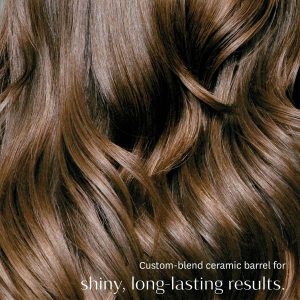
Ceramic dryers use a ceramic heating element or ceramic coating on the internal components. This technology ensures the heat is distributed uniformly, preventing hot spots that can damage your hair. Ceramic dryers are excellent for all hair types, but they are particularly gentle on fine or thin hair, as they provide a less intense heat than traditional metal heating elements.
Porcelain dryers are similar but take it a step further. The porcelain coating on the inner parts provides an even more consistent and gentle heat. They also often emit negative ions, making them a great option for a wide range of hair types.
3. Titanium
For those with thick, stubborn hair that takes ages to dry, a titanium hair dryer could be your new best friend. Titanium heating elements are known for their exceptional heat output and lightweight construction. They get very hot, very fast, and transfer heat efficiently, cutting down drying time significantly. Because of the high heat, titanium dryers are best suited for thick hair and should be used with caution on fine or damaged hair.
The Essential Features to Look For
Beyond the core technologies, a great hair dryer has several key features that can improve your experience and the health of your hair.
Wattage
Wattage is a measure of a hair dryer’s power and motor speed. A higher wattage generally means a more powerful airflow, which translates to faster drying times. For home use, a wattage between 1500 and 2000 watts is usually ideal. Professional salon models often exceed 2000 watts.
Heat and Speed Settings
A good hair dryer should have multiple heat and speed settings.
Low speed and low heat are perfect for gentle styling, defining curls, and for fine or damaged hair.
Medium speed and medium heat are great for general drying and most hair types.
High speed and high heat are best for quickly drying thick, long, or coarse hair.
The Cool Shot Button
This is an often-overlooked but vital feature. The cool shot button releases a blast of cold air. Once your hair is about 80-90% dry, using the cool shot button helps to seal the hair cuticle. This locks in your style, adds shine, and reduces frizz. Think of it as the finishing touch that sets your look.
Attachments
The right attachments can make all the difference.
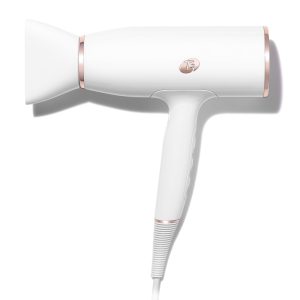
Concentrator Nozzle: This is the most common attachment. It focuses the airflow into a narrow stream, perfect for precision styling with a round brush. It helps to smooth the hair cuticle and achieve sleek, straight styles.
Diffuser: A diffuser is a must-have for anyone with wavy, curly, or coily hair. It disperses the air gently and evenly, helping to dry your hair without disrupting the natural curl pattern. It reduces frizz and adds volume to your curls.
Pik/Comb Attachment: This attachment is great for straightening and detangling thick, textured hair while drying.
Finding the Right Hair Dryer for Your Hair Type
For Fine or Thin Hair: Look for a dryer with ceramic or porcelain technology and multiple low heat settings. These dryers provide a gentle heat that won’t damage delicate strands. A lightweight model is also a plus to prevent arm fatigue.
For Thick or Coarse Hair: A high-wattage dryer (1800W+) with ionic or tourmaline technology is your best bet. Titanium dryers are also a great option for quick drying times.
For Frizzy Hair: Ionic and tourmaline dryers are non-negotiable. They are specifically designed to combat frizz by neutralizing positive ions.
For Curly or Wavy Hair: A dryer with a diffuser attachment is essential. Choose a model with a low-speed setting to dry your curls without causing frizz or “blowing out” your curl pattern.
Proper Hair Drying Techniques for Salon-Quality Results
Having the right tool is only half the battle. Your technique is just as important.
Towel Dry First: Gently blot your hair with a microfiber towel to remove excess water. This reduces drying time and minimizes heat exposure. Avoid rubbing your hair vigorously, as this can cause frizz.
Apply Heat Protectant: Always use a heat protectant spray or serum before you start. This creates a barrier between the heat and your hair, preventing damage.
Section Your Hair: For faster and more effective drying, divide your hair into sections using clips. This ensures every part of your hair gets attention and dries evenly.
Start at the Roots: Begin drying your hair at the roots and work your way down to the ends. Use a brush to guide the airflow and smooth the hair as you go.
Keep the Dryer Moving: Never hold the dryer in one spot for too long. Keep it moving to distribute the heat evenly and prevent damage. Maintain a distance of at least six inches between the nozzle and your hair.
Finish with a Cool Shot: Once your hair is dry, hit it with a blast of cool air. This seals the cuticle, adds shine, and helps to set your style for longer-lasting results.
Shop Bestsellers: